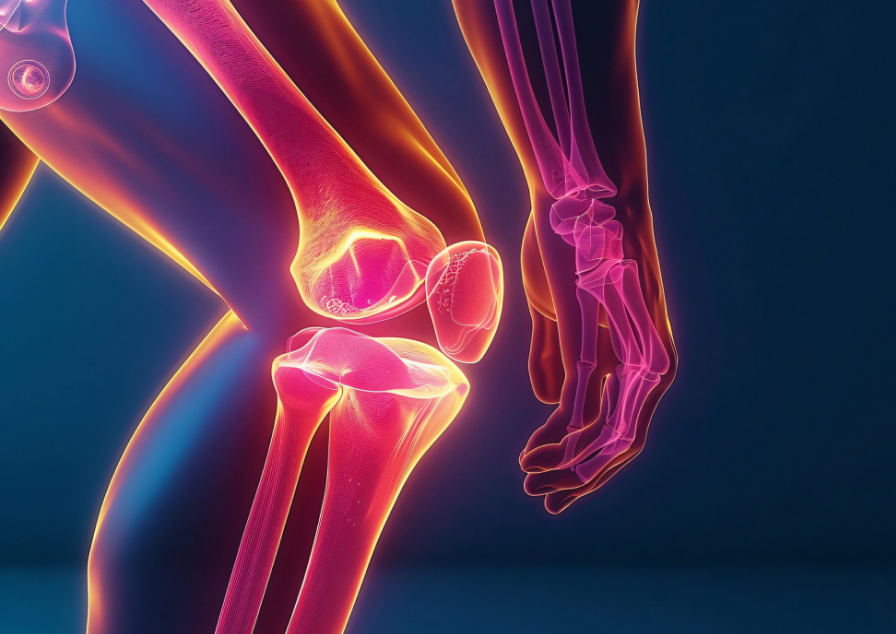
Understanding Arthritis Pain: Causes, Symptoms, and Relief Options
(Patil Spine and Ortho Care Jayanagar)
What Is Arthritis Pain?
Arthritis pain happens when joints become inflamed, stiff, or weak, making movement
uncomfortable or difficult. It commonly affects the knees, spine, hips, and hands and
can slowly interfere with daily activities like walking, standing, or sitting.
Many people think arthritis only affects older adults, but it can occur at any age. Early
understanding helps reduce long-term discomfort and joint damage.
Why Arthritis Pain Develops
Arthritis does not usually start suddenly. It develops over time due to changes inside
the joints. These changes may happen because of aging, repeated movement, injuries, or
inflammation.
Joints are covered with smooth cartilage that helps bones move easily. When this
cartilage wears down or becomes inflamed, bones begin to rub together. This cause to
pain, stiffness, and reduced movement.
At Patil Spine and Ortho Care Jayanagar,
patients often describe :
- Knee pain while walking or climbing stairs
- Back stiffness after sitting for long hours
- Morning stiffness that improves slowly
- Discomfort during daily activities
Pain may come and go, but ignoring early signs can allow the condition to worsen over
time.
How Arthritis Pain Can Be Managed Safely
Arthritis cannot always be cured, but it can often be managed well with the right
approach. Treatment focuses on
reducing pain, improving movement, and protecting joint
health.
1. Movement and Gentle Exercise
Regular movementary will helps keep joints flexible and muscles strong. Simple activities
like walking, light stretching, or guided exercises improve blood flow and reduce
stiffness.
Many patients benefit from structured care at a Best Physiotherapy Clinic in
Jayanagar,
where exercises are planned based on joint condition and comfort level.
2. Physiotherapy and Rehabilitation
Physiotherapy plays a major role in arthritis care. It helps by:
- Strengthening muscles that support joints
- Improving balance and posture
- Reducing pressure on painful areas
For people with knee discomfort, knee
pain treatment in Jayanagar often includes targeted
strengthening and mobility work that supports long-term joint health.
3. Pain Relief Without Overuse of Medication
Pain relief does not always mean strong medicines. Many people find relief through:
- Heat therapy for stiffness
- Cold therapy for swelling
- Support braces when needed
Doctors may also guide safe
medication use when required, always based on individual
condition and health history.
4. Advanced Non-Surgical Options
In certain cases, Joint Block Therapy in Jayanagar may be suggested to reduce pain and
inflammation. This approach is used when conservative methods do not provide enough
relief and is chosen carefully after medical evaluation.
5. Daily Habits That Support Joint Health
- Small lifestyle changes make a big difference:
- Maintain a healthy body weight
- Avoid sitting or standing for long periods
- Use supportive footwear
- Maintain good posture
- Take short movement breaks during work
These habits reduce joint stress and support long-term mobility.
When Should You Seek Medical Advice?
You should consult a specialist if:
- Pain lasts more than two weeks
- Movement becomes difficult
- Swelling or stiffness increases
- Sleep or daily tasks are affected
Early medical guidance helps prevent joint damage and supports better recovery.
At Patil Spine and Ortho Care Jayanagar, care focuses on understanding the root cause of
pain and guiding
patients with safe, evidence-based treatment options.
Arthritis pain can affect daily life, but it does not have to control it. With early
care, guided treatment, and simple lifestyle changes, most people can move better and
live comfortably. Understanding
your body and seeking timely support is the first step
toward long-term joint health.
Frequently Asked Questions (FAQs)
Q: What is the best diet for arthritis?
A: The best diet for arthritis focuses on reducing inflammation and supporting
joint health.
Many people benefit from the Mediterranean and DASH diets, which emphasize:
- Fruits and vegetables
- Beans and legumes
- Whole grains
- Healthy fats like olive oil
- Lean proteins such as fish
These diets limit red meat, processed foods, and added sugars. Eating a
variety of natural foods helps reduce inflammation and supports overall
joint function.
Q: What are the best anti-inflammatory foods for joint pain?
A: Foods that help reduce inflammation include:
- Leafy greens like spinach and kale
- Fruits such as berries and oranges
- Beans and lentils
- Fatty fish like salmon
- Nuts and seeds
These foods support the body’s natural healing process and may help reduce
joint stiffness over time.
Q: What relieves arthritis pain quickly?
A : Several simple methods can help relieve arthritis pain:
- Applying warm compresses or taking warm showers to relax stiff joints
- Using ice packs to reduce swelling after activity
- Gentle stretching to improve moveme
Heat should be used for short periods, usually up to 20 minutes, to avoid
skin irritation.
Q: Where is the best place to live for arthritis?
A: There is no single best climate for everyone with arthritis. Some people feel
better in warm, dry areas, while others prefer mild or stable climates. What
matters most is finding a place where you can stay active, manage stress, and
access proper medical care.
Q: What are the foods should I avoid if I have arthritis?
A: Some foods may increase inflammation, including:
- Gluten-containing grains for sensitive individuals
- Highly processed foods
- Sugary drinks and sweets
- Foods high in salt
- Foods high in unhealthy fats
Reducing these foods may help manage symptoms over time.
Q: What are the 5 best exercises for arthritis?
A: The most helpful exercises are gentle and low-impact:
- Walking – keeps joints flexib
- Water exercises – reduce pressure on joints
- Cycling – improves strength and movement
- Gentle strength training – supports joint stability
- Stretching – improves flexibility and reduces stiffn
Regular movement is more helpful than intense exercise.
Q: How can I lubricate my joints naturally?
A: Healthy joints need proper hydration and movement. You can support joint
lubrication by:
- Drinking enough water daily
- Warming up before activity
- Stretching regularly
- Maintaining muscle strength
- Taking rest breaks when needed
Healthy joints move better when the body is well-hydrated and active.
Q: What vitamins help with arthritis?
A: Some supplements may support joint health, including:
- Omega-3 fatty acids
- Glucosamine
- Chondroitin
- Curcumin
- SAM-e
Always speak with a healthcare provider before starting supplements,
especially if you take other medications.
Q: How can I slow the progression of arthritis?
A: You can help slow arthritis progression by:
- Maintaining a healthy weight
- Staying physically active
- Protecting joints during daily activities
- Managing blood sugar levels
- Getting enough sleep
- Reducing stress
Small daily habits make a big difference over time.